When public figures marry, the attention rarely stays on the ceremony itself. The real story unfolds in how relationships reshape public perception, business dynamics, and the ongoing management of narrative control at scale.
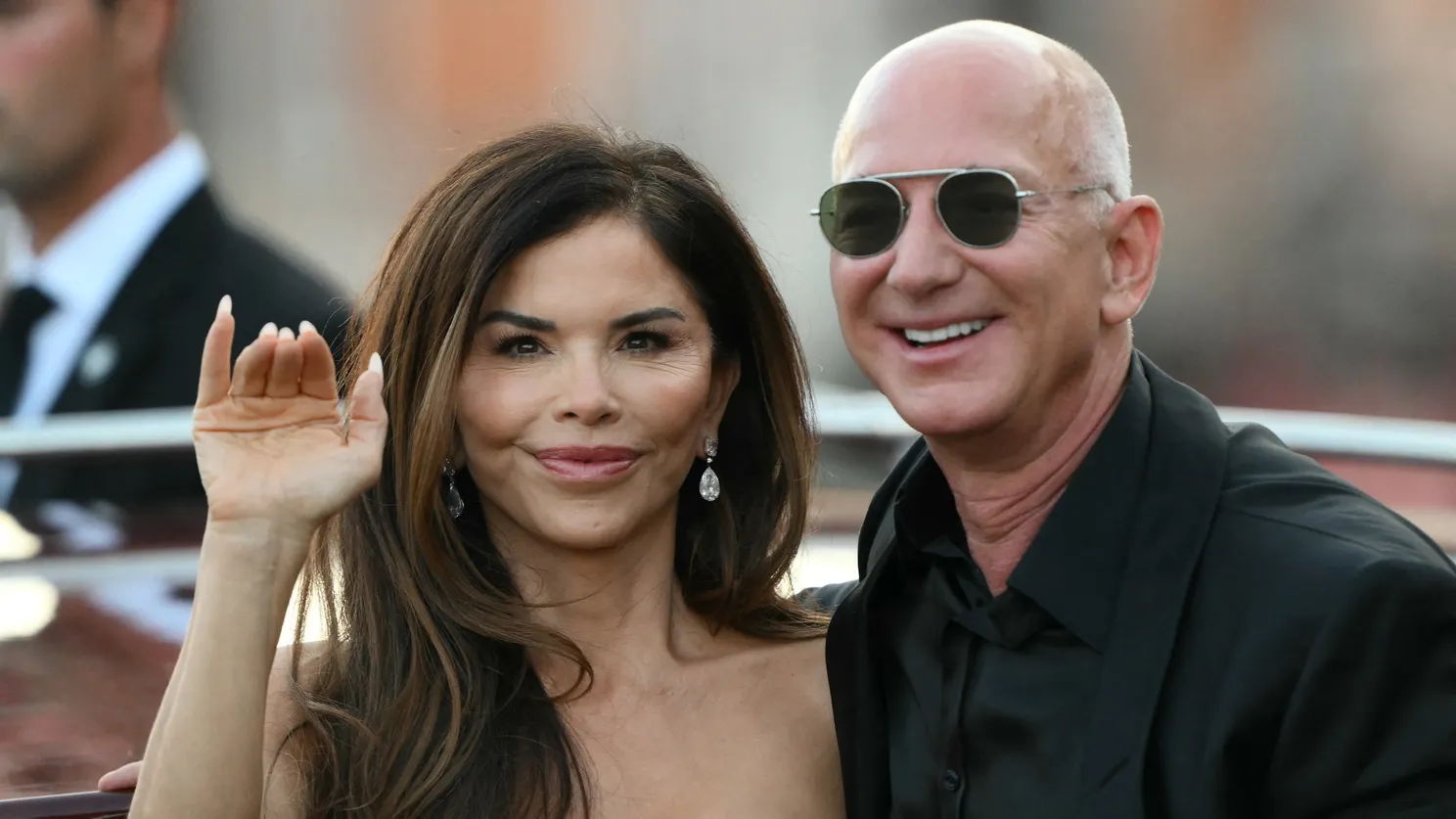
Jeff Bezos married Lauren Sanchez in a high-profile ceremony in Italy, marking the formalization of a relationship that became public under intense scrutiny. The wedding drew global media attention not just for its opulence, but for what it represents about reputation management when personal life intersects with billion-dollar brand equity. This isn’t just celebrity news. It’s a case study in how confirmation of long-anticipated events shifts public narrative cycles and resets the clock on media speculation.
The Reality Behind Timing And Why Confirmation Matters Now
The engagement was announced over a year before the wedding, creating a sustained attention cycle that allowed controlled narrative development. This timing wasn’t accidental. When speculation runs ahead of confirmation, you’re constantly reacting. When you control the confirmation timeline, you dictate the conversation’s pace and shape its boundaries.
From a practical standpoint, the extended engagement period allowed the couple to normalize their presence in public consciousness before the formalization. Public appearances at high-profile events, including presidential inaugurations and industry gatherings, built familiarity gradually rather than through shock value.
What I’ve learned from observing similar transitions is that the market—whether it’s consumer sentiment or investor confidence—responds better to anticipated events than surprises. The wedding itself became the expected conclusion rather than a disruptive revelation.
Media Cycles, Scrutiny Signals, And How Narratives Compound
The relationship began under complicated circumstances, with both parties ending previous marriages around the same time the relationship became public. That origin story created a baseline level of scrutiny that doesn’t simply disappear when legal status changes.
Look, the bottom line is this: when your personal life becomes public during transition periods, you’re managing a reputational ledger that carries forward. The wedding represents an attempt to close that chapter and open a clean one, but media memory doesn’t reset automatically.
The 80/20 rule applies here, but inverted. Roughly 80% of ongoing coverage will reference the relationship’s origins, while only 20% focuses purely on current status. That’s not cynicism—that’s pattern recognition across similar high-profile cases where past context becomes permanent footnote material.
Strategic Visibility And The Economics Of Public Attention
Sanchez brings her own professional background as a journalist and pilot, which complicates the typical “billionaire spouse” narrative framework. She’s not entering public view for the first time through marriage—she’s recalibrating an existing public profile through a new relationship context.
This creates interesting dynamics around attention economics. Two established public figures merging their narratives create more media surface area than one famous person and one private individual. That’s more opportunity for positive coverage, but also more potential points of friction.
The reality is that sustained visibility requires active management. Appearances at political events, philanthropic initiatives, and industry gatherings aren’t random—they’re calculated touchpoints that keep the narrative current while allowing controlled message development.
Risk Management When Personal Decisions Carry Public Weight
High-profile marriages operate under different risk parameters than private ones. Every decision becomes a potential data point for public interpretation, from venue selection to guest lists to post-wedding public behavior.
Here’s what actually works in these scenarios: establishing clear boundaries early about what remains private versus what’s shareable. The couple has been relatively open about certain aspects of their relationship while maintaining firm boundaries around others. That’s strategic compartmentalization, not accident.
From a risk standpoint, the wedding itself presents a marker point. Media will reference “before marriage” and “after marriage” as distinct phases, which can be useful for resetting narratives but also creates new scrutiny around whether behavior or priorities shift visibly.
Reputational Strategy And What Comes After Confirmation
The wedding resolves one form of uncertainty but creates new questions about long-term integration—philanthropic priorities, business involvement, public role definition. These aren’t abstract concerns. They’re practical questions that shape how both individuals are perceived and how their combined influence operates.
What I’ve seen is that the first year post-wedding tends to establish patterns that persist. Public appearances, joint initiatives, and communication strategies set during this period become baseline expectations. Deviation from those patterns later triggers new speculation cycles.
The data tells us that attention naturally declines after formalization events unless actively maintained or disrupted by controversy. That decline can be strategic—less scrutiny means more operational freedom—but it requires intentional management to ensure visibility remains at desired levels when needed for business, philanthropic, or influence purposes.