
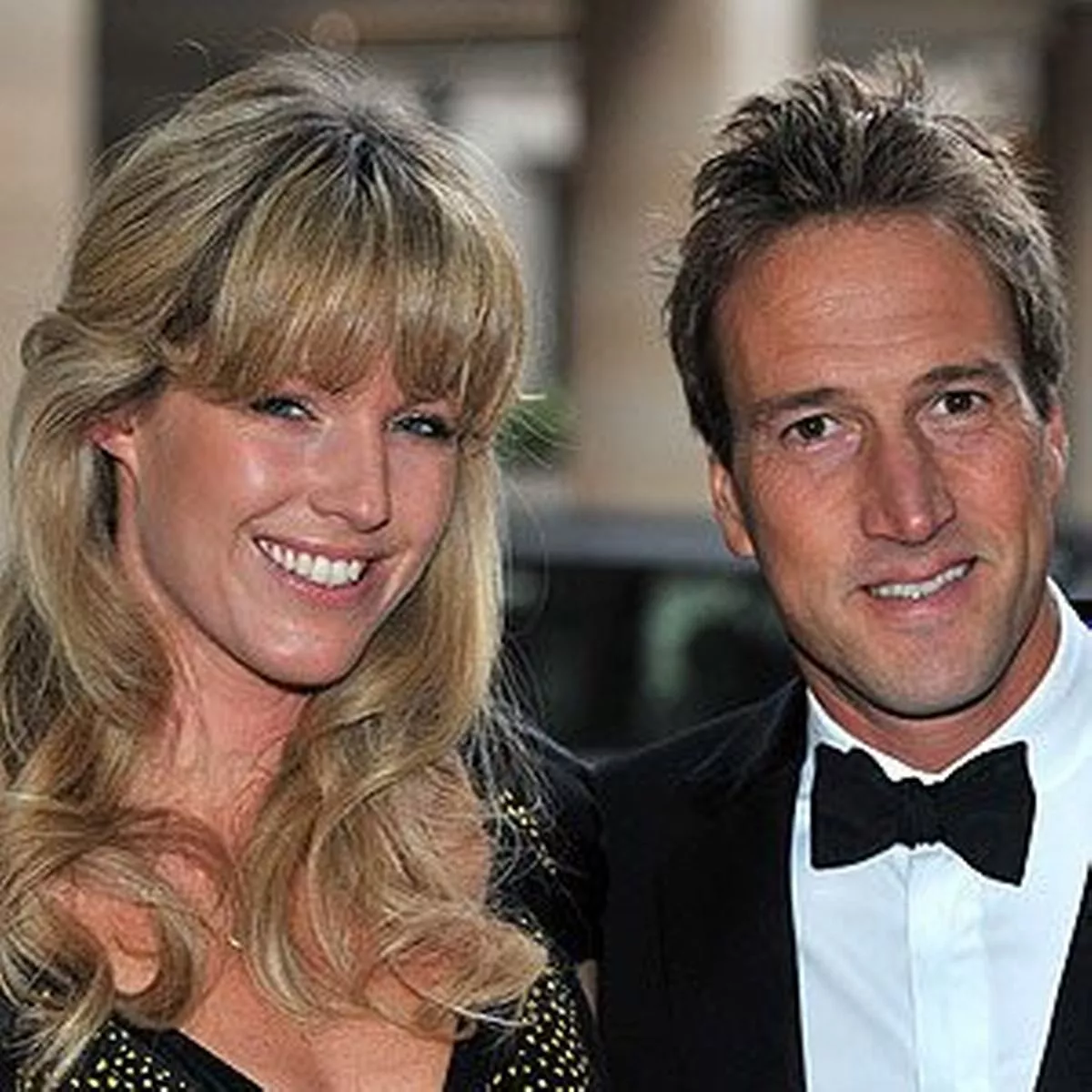
The terminology around marriage and relationship history often carries assumptions that don’t align with actual biographical facts. Ben Fogle, the British broadcaster and adventurer, has been married to Marina Hunt since the mid-part of the previous decade. There is no documented prior marriage, which means the search term “first wife” reflects either misunderstanding or speculative interest rather than an accurate description of Fogle’s relationship history.
This pattern emerges frequently with public figures where audiences apply narrative templates that include relationship complexity even when the actual biography is more straightforward. The search behavior itself becomes noteworthy because it reveals how people construct expectations around celebrity personal lives.
The actual story around Fogle’s marriage involves a chance meeting, sustained partnership, and family challenges that have been discussed publicly, creating a documented narrative that doesn’t require speculation about prior relationships.
Why Public Search Patterns Don’t Always Align With Verified Facts
Search engines surface content based on query patterns regardless of whether the underlying premise of those queries is accurate. The phrase “first wife” in connection with Ben Fogle represents a search pattern that exists despite the absence of supporting evidence.
From an information-architecture standpoint, this creates a challenge. Content gets produced to address search demand even when the content must immediately clarify that the search premise is incorrect. That’s a structural feature of how search-driven content works, not a failure of specific sources.
What I’ve seen in similar cases is that once a search pattern establishes volume, it persists independently of whether new information emerges to support it. The correction has to occur repeatedly because the search behavior itself doesn’t stop simply because clarifying information is available.
The Reality Of How Fogle And Hunt’s Relationship Began
Fogle and Hunt met while walking their dogs in Hyde Park, a setting that has been described as almost coincidental given how relationships among public figures are often assumed to form through industry connections. The relationship developed from that initial meeting, leading to marriage and the subsequent formation of their family.
This straightforward origin story stands in contrast to the complexity that search behavior implies. The data tells us that public interest often assumes multiple relationships or complicated histories even when the actual timeline is linear.
Look, the bottom line is that narrative simplicity doesn’t necessarily reduce public curiosity. In some cases, straightforward relationship histories generate search interest precisely because they contrast with expectations formed by other celebrity coverage patterns.
How Personal Tragedy Shapes Public Narrative Without Creating Speculation
Fogle and Hunt experienced significant personal loss, including the stillbirth of their son Willem, which Hunt has discussed publicly in the context of helping other parents navigate similar grief. This openness about personal tragedy created a public narrative that focused on resilience and family support rather than relationship speculation.
From a practical standpoint, this kind of disclosure serves multiple purposes. It provides context for periods of reduced public activity, it offers support to others facing similar circumstances, and it establishes boundaries around what aspects of personal life are open for public discussion.
What actually works in these situations is selective transparency—sharing enough to address legitimate public interest while maintaining control over which details enter the public domain. Hunt’s writing about the experience struck that balance by focusing on emotional process and parenting decisions rather than medical details or extended family dynamics.
Marina Hunt’s Professional Work And Public Identity Beyond Marriage
Hunt co-founded The Bump Class with her sister, developing educational programming for expectant parents that has expanded into books and podcast content. This professional identity exists independently of her marriage to Fogle, though the marriage often serves as the primary reference point in public coverage.
The reality is that spouses of public figures typically receive coverage that emphasizes the relationship rather than independent professional achievement, even when substantive work exists outside that context. This pattern shapes how public identity gets constructed and what information surfaces in response to search queries.
Here’s what I’ve learned: the relationship between professional accomplishment and public recognition is heavily mediated by existing celebrity status. Hunt’s work reaches audiences and generates impact, but the public discovery path often runs through her connection to Fogle rather than through the work itself.
Context That Matters When Evaluating Relationship Search Interest
The search volume around “first wife” terminology for public figures reflects a broader pattern where audiences assume relationship complexity as a default. This assumption likely stems from the visibility of celebrity relationship transitions in media coverage, creating a template that gets applied broadly.
From a practical standpoint, I’ve seen this play out across different sectors and different types of public figures. The assumption of complexity becomes the baseline, and straightforward relationship histories are treated as exceptions rather than as one of many possible patterns.
The margin for misunderstanding is significant because search algorithms optimize for engagement rather than accuracy. A search query can generate content even when the correct response is “this premise is incorrect,” and that content still serves the engagement objective from the platform’s perspective. That’s a structural issue that won’t resolve through individual corrections—it requires understanding that search volume doesn’t necessarily indicate factual basis.