
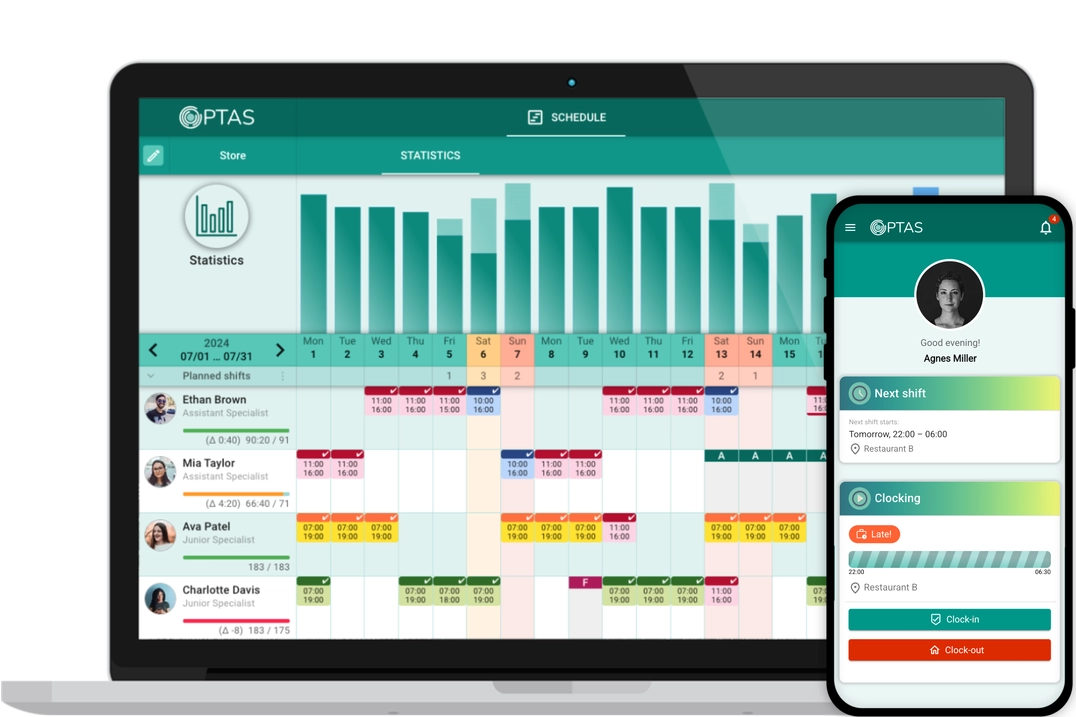
Recent operational tweaks at AT&T have spotlighted the Shift App ATT Employee Scheduling Tool among frontline workers. Managers report smoother handoffs during peak hours, drawing fresh attention to how this platform handles volatile staffing needs. As hybrid shifts persist into 2026, employees across stores and call centers lean on it for real-time adjustments, amid broader telecom sector pushes for efficiency.
The tool surfaces in daily briefings, where supervisors highlight its role in curbing overtime spikes. No longer buried in onboarding packets, the Shift App ATT Employee Scheduling Tool now anchors conversations around retention—workers value its flexibility when family demands clash with rotations. Coverage in internal memos underscores its uptime during holiday rushes, prompting renewed curiosity about untapped features.
Core Functionality
Schedule Viewing Mechanics
Workers tap into the Shift App ATT Employee Scheduling Tool dashboard to scan upcoming rotations. Color-coded blocks reveal hours, sites, and team overlaps at a glance—week or month toggles suit varied planning habits. A single swipe pulls details like coworker lists or notes from leads.
Details emerge unevenly; some shifts show GPS pins for remote gigs, others flag equipment needs. Employees note how this instant access cuts morning confusion, especially when traffic snarls inbound commutes. Managers push views to groups, ensuring alignment before clocks start.
The layout adapts subtly—frequent users see pinned favorites rise to the top. Yet gaps persist; unconfirmed swaps linger in limbo until approved, mirroring real-world frictions.
Shift Creation Protocols
Building a new entry in the Shift App ATT Employee Scheduling Tool starts with a plus icon on the team calendar. Supervisors input dates, durations, and roles, then drag to assign based on availability badges. Repeating patterns auto-fill future weeks, easing seasonal bulks.
Preferences factor in—seniority bumps or skill tags guide suggestions, though overrides happen for urgencies. A preview pane flags conflicts like overtime caps before finalizing. Publishing triggers pings, but holdups arise if rosters overload.
Employees watch these drops in real time, claiming opens via quick taps. The process streamlines bulk posts yet stumbles on cross-department borrows, where approvals chain delay.
Time Clock Integration
Clock-ins via the Shift App ATT Employee Scheduling Tool rely on geofence triggers at sites. Phones vibrate on entry, prompting a tap to log—photo verifies if managers toggle it. Breaks slot in mid-shift, timestamped for payroll feeds.
Out punches mirror this, with notes fields for variances like early wraps. GPS logs defend against disputes, though spotty signals in basements force manual overrides. Data flows straight to stubs, minimizing end-month reconciles.
Workers appreciate the seamlessness during doubles, but false geofence alerts irk in overlap zones. Supervisors audit trails post-facto, spotting patterns in late clocks.
Notification Streams
Pushes from the Shift App ATT Employee Scheduling Tool hit for changes—edits, claims, or denials light up screens. Custom toggles mute non-essentials, like routine reminders during off-hours. Group blasts cover mass shifts, voice notes optional for clarity.
Silent modes activate on do-not-disturb, funneling to dashboard stacks. Escalations ping supervisors if unacknowledged after hours. Volume varies; high-turnover crews drown in swaps, veterans skim.
The system learns habits, prioritizing urgent over routine. Still, battery drains plague heavy users, prompting selective enables.
Reporting Outputs
Pulls in the Shift App ATT Employee Scheduling Tool generate hour tallies, coverage gaps, or overtime trends. Filters slice by department or period, exports to sheets for deeper dives. Visual charts map labor costs against forecasts.
Managers drill into no-shows, correlating with request histories. Employees access personal summaries, projecting earnings mid-cycle. Aggregates inform staffing bids, though raw data hides qualitative strains.
Print-friendly formats aid legacy holdouts, but mobile-first designs favor screens. Anomalies like duplicate punches flag for review, preserving audit chains.
User Experiences
Employee Adoption Patterns
Frontline staff in the Shift App ATT Employee Scheduling Tool embrace its mobility for gig hops. Retail crews swap via lunch scrolls, valuing speed over desktop logs. Call center vets adapt slower, wedded to paper backups.
Uptake spikes post-training nudges, with 80% daily actives in high-volume outlets. Resistance lingers among elders, citing interface clutter. Peers evangelize through in-app shares, tipping scales.
Hybrid roles thrive most—field techs claim extras en route. Yet siloed teams undervalue cross-postings, missing opportunities.
Manager Oversight Roles
Leads wield the Shift App ATT Employee Scheduling Tool for bulk edits, approving chains in batches. Dashboards spotlight undercovers, auto-suggesting fills from pools. Broadcasts rally for surges, tracking responses live.
Approval workflows bottleneck at peaks, forcing phone fallbacks. Analytics reveal repeat requesters, prompting chats. Delegation to deputies eases loads, but training lags.
Visibility empowers proactive cuts, like pre-flagging burnout risks. Still, granular controls evade some, sparking inequities.
Shift Swap Dynamics
Peers initiate trades in the Shift App ATT Employee Scheduling Tool by selecting slots, proposing matches from availables. Requests detail reasons, pinging targets with one-tap accepts. Managers vet for fairness, coverage holds.
Marketplace opens unclaimed to bids, first-come often wins. Chains form for multiples, resolving cascades. Rejections log without notes, breeding quiet gripes.
Success hinges on reciprocity cultures; tight crews cycle smoothly, isolates struggle. Data shows swaps peak mid-week, easing weekends.
Time-Off Request Flows
Submits via the Shift App ATT Employee Scheduling Tool pick dates, attach proofs if policy mandates. Calendars gray conflicts, suggesting alternates. Pends notify applicants, approvals cascade fills.
Partial days slot precisely, hours prorated. Denials cite shortages, no appeals built-in. Accrual trackers show balances upfront.
Patterns emerge seasonally—summers clog, winters sparse. Auto-denies overloads protect cores, but frustrate peaks.
Feedback Integration Loops
Inputs to the Shift App ATT Employee Scheduling Tool funnel through stars or texts post-use. Aggregates surface in manager views, flagging drops. Devs iterate quarterly, prioritizing votes.
Anonymous modes encourage candor, surfacing glitches like sync lags. Response times vary—bugs fix fast, features simmer. Users track statuses, building buy-in.
Voices shape tweaks, like added voice notes. Yet volume overwhelms, burying niche pleas.
Implementation Challenges
Login Hurdles Encountered
Credentials snag in the Shift App ATT Employee Scheduling Tool when networks falter—two-factors timeout mid-entry. Biometrics smooth repeats, but resets loop anew hires. Forgotten IDs chase HR tickets.
Device swaps demand re-verifies, delaying shifts. VPN mandates for remotes add layers, clashing public Wi-Fi. Clears cache revives most, but server blips persist.
Policies tighten post-breaches, layering MFA everywhere. Users jury-rig workarounds, risking flags.
Compatibility Device Issues
Android flavors in the Shift App ATT Employee Scheduling Tool clash on older OSes—geofence fails, crashes mid-clock. iOS holds steadier, but widget glitches annoy. Tablets stretch layouts oddly.
Updates mandate space, purging olds mid-cycle. Cross-OS swaps confuse notifications. Beta tests preview fixes, but rollouts stagger.
Workarounds like web fallbacks bridge, yet lack polish. Enterprise pushes standardize fleets, curbing variances.
Network Dependency Snags
Reliance on signals hampers the Shift App ATT Employee Scheduling Tool in dead zones—syncs queue offline, dumping on reconnects. Rural techs batch uploads at hubs. Offline views hold basics, edits pend.
Data caps throttle heavy reports, forcing Wi-Fi hunts. 5G boosts urban flows, lags trail elsewhere. Caches mitigate, but evict under pressure.
Fallback SMS alerts bridge gaps, crude but clutch.
Data Sync Delays
Asynchronies plague the Shift App ATT Employee Scheduling Tool when edits collide—double-books surface late. Pull-to-refreshes mend most, but chains propagate slow. Background syncs chew batteries.
Peak hours amplify, queues ballooning. Admins force publishes to override. Timestamps reveal culprits, audits follow.
Optimizations prioritize criticals, sidelining fluff.
Support Response Timelines
Tickets in the Shift App ATT Employee Scheduling Tool route to tiers—basics self-serve, escalates wait days. Chats peak overload, bots deflect simples. Forums fill gaps, peer fixes abound.
Outages trigger mass mails, resolutions vary. SLAs bind majors, minors drift. Feedback loops hasten repeats.
Users hoard workarounds, easing loads long-term.
Recent Developments
2026 Update Highlights
The Shift App ATT Employee Scheduling Tool rolled AI hints this year, proposing fills from histories. Voice commands now dictate swaps, hands-free for drives. AR overlays map sites on clocks.
Wellness prompts pre-shift gauge readiness, flagging fatigues. Partial offs granulate to hours. Dashboards gamify compliances, badges for streaks.
Rollouts phased by region, feedback mid-stream. Servers scaled preemptively.
Integration Expansions
Ties to Teams in the Shift App ATT Employee Scheduling Tool embed calendars, bots echo changes. Payroll syncs auto-pull hours, slashing stubs. Outlook bridges exec views.
Slack pings approvals, reducing emails. HR portals federate creds, one-log rules. APIs open custom hooks, devs tinker.
Depth varies—natives seamless, thirds lag.
Security Enhancements Rolled
Encryptions blanket the Shift App ATT Employee Scheduling Tool end-to-end, spoofs detect via anomalies. Auto-logs evict idles, audits trail all. MFA enforces biometrics default.
Breach drills simulate, responses harden. Compliance badges certify yearly. User educations embed tips.
Incidents drop post-upgrade, trust rebuilds.
User Interface Refinements
Layouts in the Shift App ATT Employee Scheduling Tool slimmed—dark modes cut glare, fonts scale dynamically. Gestures swipe histories, pins lock faves. Emojis tag notes intuitively.
Accessibility voices full schedules, contrasts boost. A/B tests hone flows, metrics guide. Feedback stars inline now.
Polish eases novices, power holds vets.
Expansion to New Roles
Field ops join the Shift App ATT Employee Scheduling Tool fully, routing ties clocks. Contractors guest-access opens, scoped tight. Execs peek aggregates, no granulars.
Verticals like warehouses pilot, tweaks inbound. Global rosters test multi-lang, timezones auto. Scales strain tested.
Adoptions climb cross-functions.
Future Directions
The public record on the Shift App ATT Employee Scheduling Tool lays bare its pivot from basic logs to predictive hubs—AI now forecasts gaps, pulling from weather or volumes. Yet unresolved stretches loom: full contractor embeds stall on legal knots, international full-rolls hinge regulatory nods. Hybrid enforcements sharpen, but equity probes linger amid swap disparities.
Implications ripple outward. Staff retention ties to these flexes, with data hinting drops where apps falter. Telecom peers watch, potential copycats brewing. Managers gain foresight, yet over-relies risk blind spots in human variances.
Forwards point unresolved—voice AI evolutions promise, but privacy pushbacks mount. Global parity teases, uneven infra balks. Employees demand more wellness weaves, unproven scales test mettle. The tool evolves amid these pulls, public trails mapping fits and frays without tidy bows.