
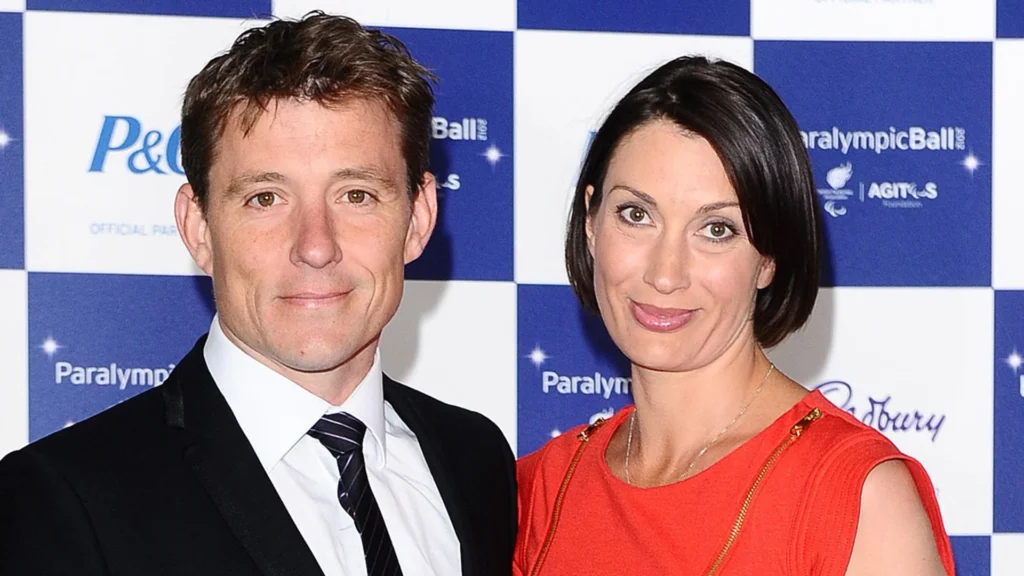

The phrase “Ben Shephard wife illness news” has generated significant search volume, but the actual confirmed information is limited and dated. What exists in the public record is a social media post from several years ago where Shephard mentioned that his wife, Annie, had been battling pneumonia. That disclosure was brief, personal, and followed by a return to normal life and work. However, more recent content—primarily from YouTube channels and clickbait-style articles—has suggested ongoing or escalating health concerns, though these claims lack verification from credible sources. That gap between confirmed fact and speculative content is where misinformation thrives, and it’s worth understanding how that gap gets exploited.
The challenge with celebrity health stories is that they exist in a gray zone between public interest and privacy, where even small disclosures can be amplified, reframed, or entirely fabricated to drive engagement. Shephard is a well-known television presenter in the UK, which makes his family life a point of curiosity, but that curiosity doesn’t automatically justify the level of speculation and sensationalism that’s emerged around his wife’s health. The mechanics of how these stories spread—and why they’re so hard to correct once they’re in circulation—reveal a lot about how information ecosystems operate when verification takes a backseat to velocity.
The Original Disclosure And What Limited Information Actually Said
Shephard posted on Instagram years ago about taking time with his wife after she had been ill with pneumonia. The tone was casual, the update was brief, and there was no indication of ongoing severity or crisis. He described a “lovely stroll” and mentioned wanting a beer—it read like someone sharing a moment of relief after a stressful period, not an announcement of long-term illness. That post should have been the end of the story, but in a media environment that rewards constant updates, even resolved situations get revisited and reframed.
Pneumonia is serious, but it’s also treatable, and the fact that Shephard was able to post casually about spending time together suggests recovery was well underway. There’s been no follow-up from Shephard or credible news outlets confirming ongoing illness, which means the story should have remained a minor footnote. Instead, it became a launching point for speculation, particularly on platforms where sensational headlines drive clicks and accuracy is secondary to engagement.
The Rise Of Speculative Content And How Clickbait Distorts Reality
More recently, YouTube videos and low-credibility sites have published content with alarming titles suggesting critical health conditions, either for Shephard himself or for Annie. These videos often use emotional language, vague sourcing, and strategic ambiguity to imply crisis without making specific factual claims that could be easily disproven. Phrases like “heart-stopping revelation” or “critical condition” generate clicks, but they rarely deliver the substance their titles promise.
One such video claimed that Annie “spoke out” about Shephard being in “critical condition,” describing his health as rapidly deteriorating. The content itself was thin, relying on speculation and unnamed sources, and there’s been no corroboration from mainstream outlets or official statements. That absence of verification is the tell—real health crises involving public figures generate immediate, widespread coverage from credible sources. When that coverage doesn’t materialize, it’s a strong indicator that the story is either exaggerated or fabricated.
The Economics Of Health Speculation And Why Corrections Lag Behind
Health-related content performs exceptionally well in algorithmic recommendation systems because it triggers emotional responses—concern, empathy, fear. Channels and sites that specialize in this content understand that dynamic and structure their output accordingly. The headlines are designed to stop scrolling, the thumbnails are dramatic, and the actual content is often vague enough to avoid clear falsehood while still implying crisis. That formula works, which is why it proliferates.
Corrections, when they happen, don’t travel as far or as fast as the original misinformation. If Shephard or his representatives issue a denial or clarification, it reaches a fraction of the audience that saw the original sensational content. That asymmetry means misinformation has a lasting advantage—it gets seen first, remembered longest, and rarely fully corrected in the public consciousness. The burden of correction falls on the person being misrepresented, which is both unfair and inefficient.
The Pressure Of Public Life And When Privacy Becomes Impossible
Shephard’s position as a television presenter means his personal life is of interest, but that interest doesn’t erase his right to privacy, particularly around family health. The decision to share any personal information—like the Instagram post about Annie’s pneumonia—is a calculated risk. It humanizes him, creates connection with the audience, and can preempt speculation by providing a controlled disclosure. But it also sets a precedent. Once you’ve shared once, the audience expects future updates, and the absence of those updates can itself become a story.
The challenge is finding the balance between maintaining privacy and managing public curiosity. Too much silence, and speculation fills the void. Too much disclosure, and personal boundaries erode. Shephard appears to have opted for minimal disclosure, sharing only when necessary and keeping details sparse. That’s a reasonable approach, but it doesn’t stop others from fabricating details to fill the information gap.
The Responsibility Of Platforms And Why Moderation Fails Here
Platforms like YouTube have policies against misinformation, but enforcement is inconsistent, especially for content that stays just shy of making explicit false claims. A video that implies crisis without stating specifics is harder to moderate than one making a clear, verifiable false claim. The former operates in the gray zone where platforms are reluctant to act, either because the content is technically compliant with policies or because the volume of similar content makes individual enforcement impractical.
The result is an environment where sensational, misleading content thrives while accurate, measured content struggles for visibility. The algorithms reward engagement, and engagement is driven by emotion, which means sensationalism wins by default. Changing that dynamic would require significant platform-level intervention—deprioritizing health-related clickbait, elevating verified sources, and penalizing repeat offenders. None of that is technically difficult, but it requires prioritizing accuracy over engagement, which cuts against the core economic model of these platforms.

