
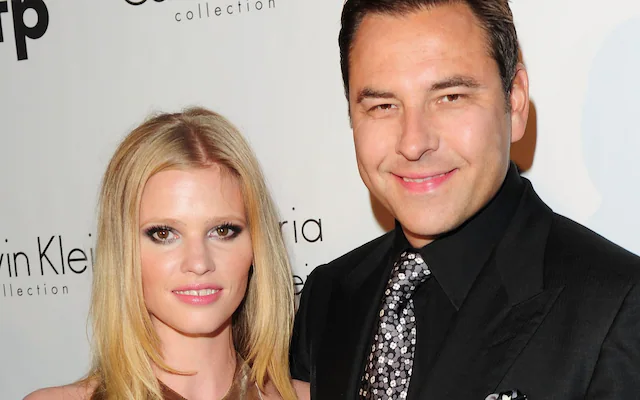

David Walliams wife news serves as a case study in how divorce narratives persist long after legal separation concludes. The comedian divorced model Lara Stone nearly a decade ago, yet periodic media cycles revisit the marriage, its dissolution, and speculation about subsequent relationships. What drives these recurring story arcs isn’t new information—it’s the tension between public curiosity and the absence of confirmed romantic commitment since the split.
The marriage lasted five years, from the wedding until their separation, and shared custody of their son Alfred continues to anchor public interest. Stone has since remarried, but Walliams’ relationship status remains a rotating subject of tabloid speculation despite his expressed preference for privacy.
How Divorce Framing Shapes Long-Term Narrative Control
The original divorce cited “unreasonable behaviour” from Lara Stone, though sources later clarified that she initiated the split and agreed to accept that legal framing to expedite proceedings. That arrangement illustrates a critical dynamic: divorce framing often reflects negotiation strategy rather than factual blame distribution.
David was reportedly “devastated” and resisted the separation, but accepted the terms for the sake of their son. That narrative—reluctant accepter rather than active initiator—positioned him sympathetically in public perception, even as the legal language suggested otherwise.
From a reputational standpoint, this created a durable story that resurfaces whenever relationship updates emerge. The framing established early in the divorce process continues to influence how subsequent dating rumors are interpreted and reported.
The Cycle Of Speculation And Why Confirmation Gaps Persist
Since the divorce, Walliams has been linked to multiple high-profile women, including Made In Chelsea star Ashley James, actress Kate Beckinsale, Playboy model Emily Agnes, and Miss Norway contender Sylvia Flote. None of these relationships resulted in confirmed long-term commitment, which perpetuates the “still searching” narrative.
Here’s what I’ve seen play out repeatedly: when a public figure with marriage history remains unattached for an extended period, media coverage shifts from reporting relationships to analyzing the absence of relationships. That creates a self-sustaining cycle where speculation fills the void left by confirmation.
Walliams himself acknowledged the challenge, stating he’d been single for a considerable period and needed to “stop working so much”. That admission, while candid, reinforced the narrative that work takes precedence over romantic pursuit—a frame that invites continued media curiosity.
Public Statements Versus Private Reality And The Risk Of Misinterpretation
Walliams discussed having a “marriage pact” with actress Sheridan Smith, framed as a humorous contingency if both remain single into old age. That comment, made publicly on ITV’s Lorraine, illustrates the risk of playful statements being reinterpreted as serious relationship indicators.
The reality is that offhand remarks in entertainment contexts often get extracted and repurposed as evidence of romantic interest or future plans. What was likely banter becomes headline material, which then requires clarification or simply lingers as part of the public record.
From a practical standpoint, this demonstrates why many high-profile figures default to silence on personal matters. Even lighthearted commentary can be reframed in ways that complicate narrative control and invite unwanted follow-up coverage.
The Economics Of Privacy When Past Relationships Remain Newsworthy
Lara Stone’s remarriage to property developer David Grievson, whom she met on Tinder, generated its own media coverage and implicitly renewed attention on Walliams’ relationship status by contrast. Stone announced her new marriage via Instagram, signaling closure on her previous chapter and forward momentum.
That juxtaposition—one ex-spouse moving on publicly while the other remains unattached—creates a narrative imbalance that media outlets exploit for comparative storytelling. The data tells us that audiences respond to “where are they now” framings, which means outlets have economic incentive to revisit past relationships even when no new developments exist.
Walliams’ wealth, estimated at £16.3 million, combined with his continued public presence through Britain’s Got Talent and other projects, ensures ongoing media interest regardless of relationship updates. That visibility makes complete privacy impossible without career withdrawal.
Why Marriage History Influences Future Relationship Coverage
The “terrifying” public scrutiny Lara Stone experienced during the marriage, as she later described it, adds context to why Walliams might approach subsequent relationships with caution. The attention surrounding a high-profile marriage creates precedent that influences how any future partnership would be received and covered.
Look, the bottom line is that once you’ve been through a public divorce, every subsequent relationship gets framed against that history. Media outlets reference the previous marriage as context, audiences make comparisons, and the individual navigates expectations shaped by past experience.
What actually works for managing this dynamic is either committing to radical transparency or maintaining firm boundaries. Partial visibility creates ambiguity, which invites speculation. Walliams appears to have chosen the latter strategy, though enforcement remains inconsistent when promotional obligations require public engagement.

