
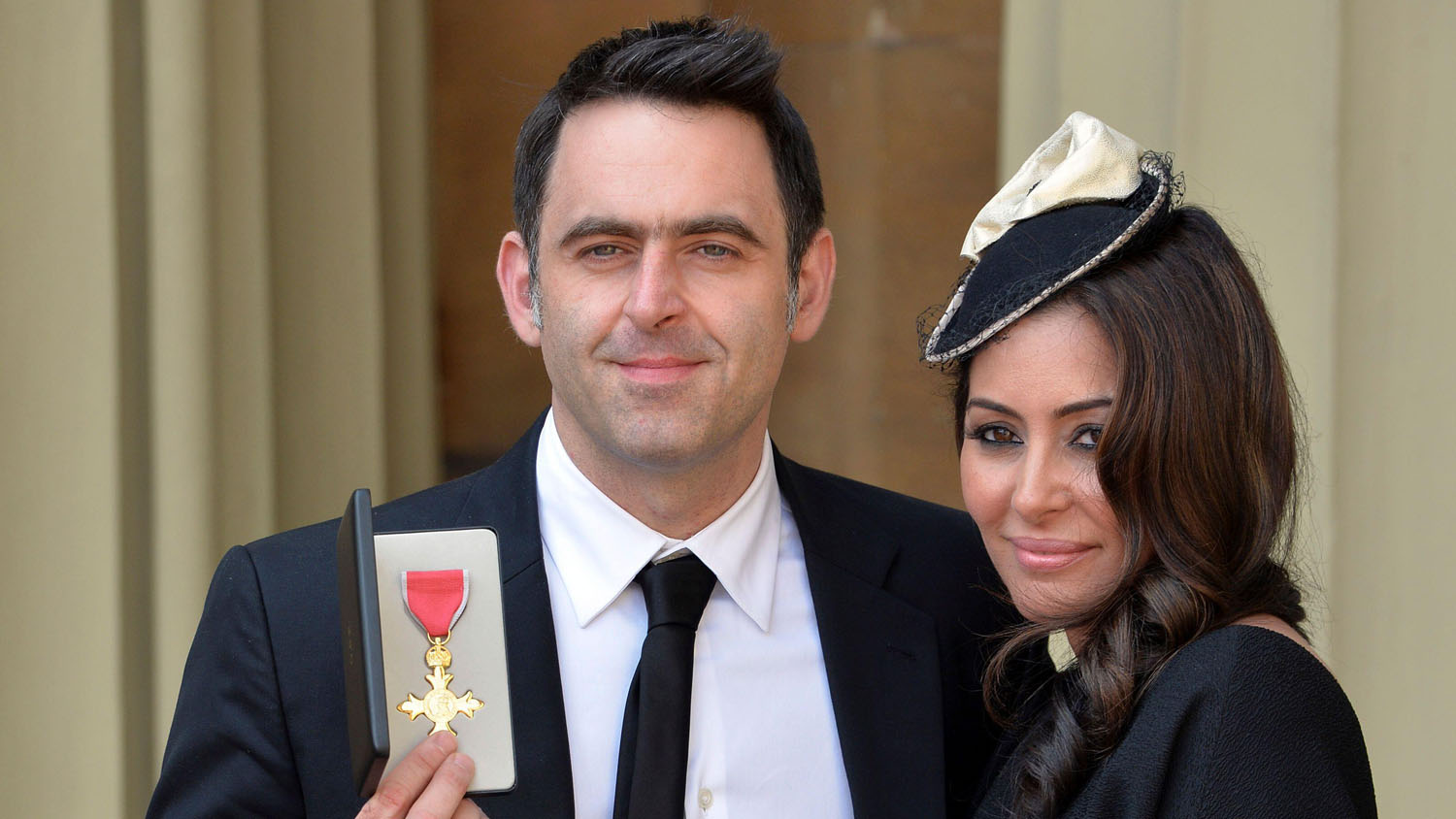

When public figures seal personal commitments with minimal fanfare, the media narrative shifts from celebration to speculation about timing, control, and what’s being hidden. Ronnie O’Sullivan, the seven-time snooker world champion, married actress Laila Rouass in a ceremony that barely registered on the public radar until he confirmed it himself. The story isn’t just about a wedding—it’s about how high-profile individuals manage the tension between their private choices and their commercial value in an age where every detail feeds content cycles and shapes perception.
The couple’s decision to keep the event deliberately low-key raises questions about what privacy actually means when your brand is built on visibility. O’Sullivan didn’t invite his own parents, held the ceremony with only Rouass’s sisters present, and moved to Dubai shortly after. This isn’t typical celebrity behavior, and that disconnect creates its own story. What looks like a simple preference for intimacy can easily be reframed as avoidance, secrecy, or evidence of something more complicated. That reframing happens fast, and once it starts, controlling the narrative becomes nearly impossible.
The Signals Behind Minimal Announcements And What They Reveal
O’Sullivan announced the marriage on Instagram with a single post captioned “We finally made it official!! Mr & Mrs O’Sullivan,” a casual confirmation that bypassed traditional media channels entirely. This direct-to-audience approach cuts out intermediaries but also removes any buffer between intent and interpretation. Without context, brevity gets filled in by assumption. The post didn’t explain the timeline, the reasoning, or the backstory—it just stated a fact. That vacuum invites speculation, and speculation moves faster than clarification ever can.
The couple had been engaged since the early part of the last decade but announced a separation just a few years ago before rekindling the relationship. That history adds weight to the announcement. When a relationship has public ruptures and reconciliations, the audience builds a narrative around instability, and any new development gets filtered through that lens. The minimal announcement doesn’t reset perception—it confirms existing patterns for those already tracking the relationship closely.
Privacy Strategy And The Reality Of Selective Disclosure Today
O’Sullivan has been vocal about disliking hosting and large gatherings, stating plainly that he’s “just not into that kind of stuff”. That’s a clear personal preference, but it also functions as a defensive positioning strategy. By framing the choice as personality-driven rather than circumstance-driven, he predefines the narrative before critics can. It’s a low-risk way to explain behavior that might otherwise look evasive or unusual for someone in his position.
The timing of the wedding—held quietly in East London in June—came just before his move to Dubai, a relocation driven in part by his wife’s preference. O’Sullivan explained that Rouass “wasn’t too keen on Sheffield” and gave him an ultimatum: Spain or Dubai. That level of candor is unusual. Most public figures soften these dynamics or avoid mentioning them entirely. By stating it directly, O’Sullivan shifts the story from “why did he move?” to “how does influence work in high-profile relationships?” The latter is a more complex, less tabloid-friendly angle, which may be exactly the point.
Timing, Relocation, And How Major Life Decisions Compound Risk
The wedding and the move to Dubai happened in quick succession, both representing significant life changes compressed into a short window. From a risk management perspective, that’s a lot of surface area for things to go wrong. Relocation affects training, travel logistics, and competitive rhythm. Marriage, especially after a public split and reconciliation, adds emotional and reputational variables. Stacking those changes increases the chance that one will amplify difficulties in the other, and that’s when narratives about instability or poor decision-making start to circulate.
O’Sullivan’s candid admission that he had to adjust to using the word “wife” suggests the transition wasn’t automatic. He described it as initially awkward before it “feels pretty normal” and noted that marriage provides a sense of maturity and clarity about where everyone stands. That kind of transparency is rare, and it undercuts the polished version most public figures present. But it also opens him up to criticism—if he had to adjust to the concept, was he ready? If he wasn’t ready, why proceed? Those questions don’t require answers to do damage. They just need to exist.
Reputational Control And The Economics Of Staying Off The Radar
O’Sullivan’s approach reflects a calculated tradeoff: less media exposure means less immediate attention, but it also means less ability to steer the story if it turns negative. By keeping the wedding private and announcing it only after the fact, he retained control over the event itself but sacrificed the ability to shape how it was received. The media filled in the gaps with speculation about why his parents weren’t invited, what the split and reconciliation meant, and whether the Dubai move was truly about lifestyle or something more strategic.
The economic angle matters too. O’Sullivan’s brand is built on his snooker dominance, but sustained visibility requires a steady drip of content—wins, controversies, personal updates. A private wedding doesn’t generate much content, which can hurt engagement metrics. But oversaturating the market with personal details can dilute the mystique that makes someone compelling in the first place. He’s betting that scarcity of information will increase interest rather than extinguish it, and that’s a high-stakes gamble when your earning power depends on staying relevant.
The Pressure Of Public Reconciliation And How Past Splits Shape Trust
The couple’s history of separation and reunion adds a layer of scrutiny that wouldn’t exist otherwise. When a relationship goes public with its failures, any subsequent success gets evaluated through that lens. The wedding isn’t just a wedding—it’s evidence of whether the reconciliation was genuine or temporary. That’s an unfair standard, but it’s the reality of managing a public relationship after a public split. Every anniversary, every appearance, every statement gets measured against the question: is this stable now, or just stable for now?
O’Sullivan’s move to Dubai complicates that further. Geographic distance from the UK media makes day-to-day monitoring harder, which could reduce pressure. But it also raises questions about whether the move was motivated by a desire to escape scrutiny or simply a lifestyle preference. The distinction matters because the first suggests defensiveness, while the second suggests confidence. He’s framed it as the latter, citing his wife’s preferences and practical considerations like proximity to events in the Middle East and China. Whether that framing holds depends on what happens next—and that’s the real test.

