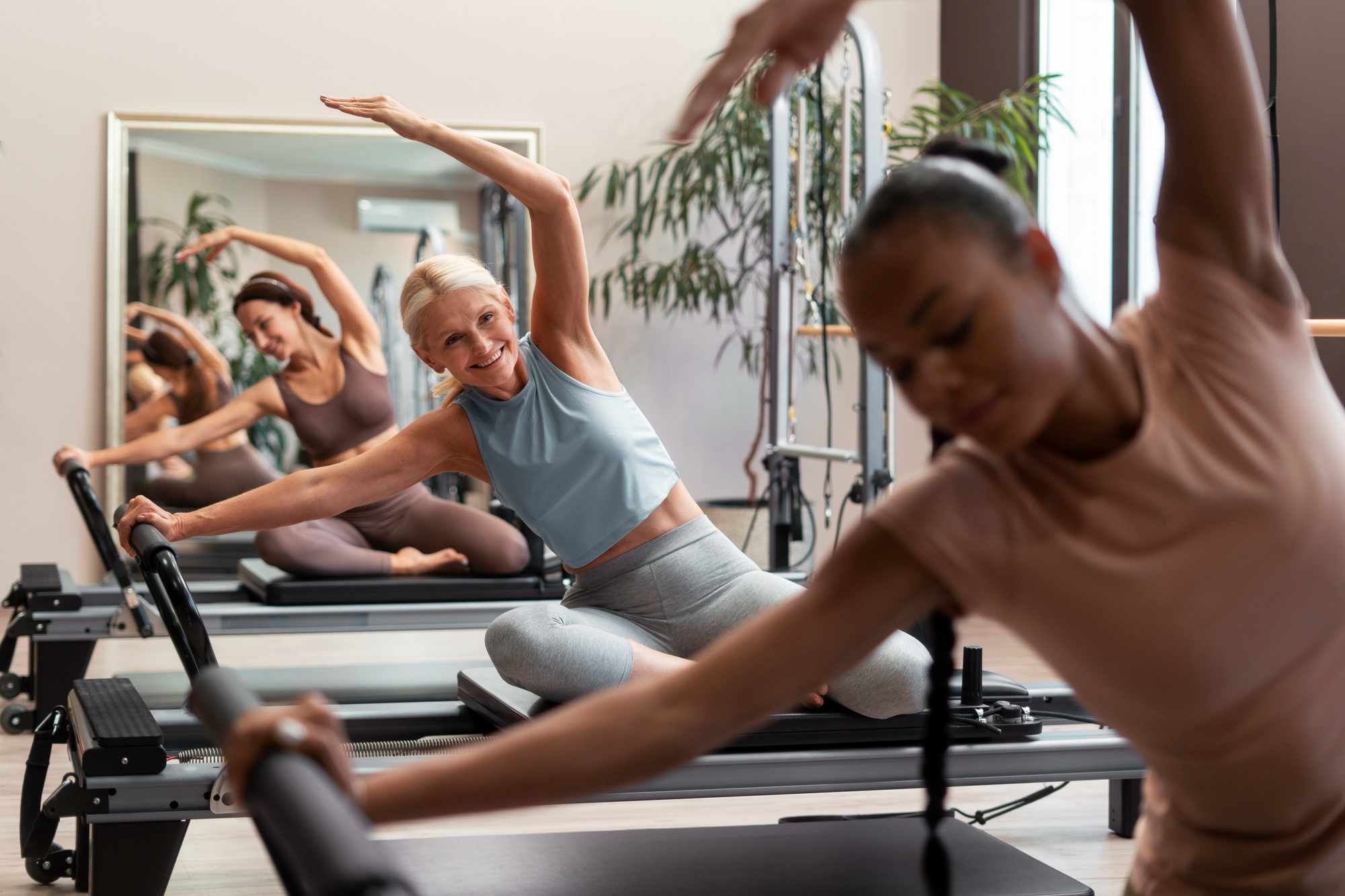
Staying active is one of the best ways to keep your body healthy and, also strong. While there are many types of exercise, Pilates has become a popular choice for people of all ages and fitness levels. It sort of centers on controlled motions, steady breathing, and body awareness in a pretty direct way. Whether you’re just starting out with workouts or you already stay active, joining a Pilates class can help you level up your overall fitness in a safe and effective style.
Here are a few ways a Pilates class can, basically, help your strength and flexibility.
Builds Core Strength
A Pilates class strengthens your core muscles. These muscles include the abdomen, lower back, hips, and pelvis. When your core is strong, it can help you maintain better posture, improve balance, and support your spine when you’re doing everyday tasks.
And as those core muscles get stronger, you might notice that daily tasks like lifting items, walking around, and climbing stairs become a little less of a chore.
Improves Flexibility
Pilates includes gentle stretching plus controlled movements that help flexibility grow over time. Tight muscles can restrict how you move, and that can make regular activities feel uncomfortable. With consistent stretching during Pilates, muscles can become longer, and your range of motion may improve.
Also, better flexibility can ease muscle stiffness and make it easier for your body to glide through the day more comfortably.
Supports Better Posture
Many folks spend long hours parked at a desk or just staring down at their phones. And yeah, this can slowly mess up your posture and cause back or neck aches. Pilates trains proper body alignment and helps build the strength in the muscles that keep your posture steady.
If you practice regularly, you might notice it becomes easier to stand and sit in a more upright way. That alone can lessen the strain that usually builds up in your back and shoulders.
Increases Balance and Coordination
Pilates routines need attention, plus movement that’s done with control. So as you keep going through those reps, your balance tends to sharpen, and your coordination gets better too. Better balance matters for people of all ages because it lowers the chances of falls and makes daily tasks feel safer.
Improved coordination helps your muscles work together more efficiently, especially during other kinds of physical activities.
Reduces Stress
Exercise is good for the body, but it’s also a relief for the mind. Pilates gently leans into slow breathing and steady concentration. That combo can help you unwind and lower stress. Many people walk out of class feeling lighter, calmer, more restored, and mentally clear. Also, setting aside time to train consistently can lift your mood and support a stronger sense of well-being.
Suitable for Different Fitness Levels
One of the nicest parts of Pilates classes is how adjustable they are. Newcomers can begin with simpler exercises, while those with more experience can go for harder variations. Instructors usually offer alternatives, so everyone can move safely and comfortably. So Pilates can work for young adults, older adults, and people coming back to movement after a pause.